Shipping two cars at once can feel like a big task, especially when you are trying to keep the process simple and the cost reasonable. Many factors can affect the shipment, including distance, vehicle size, pickup location, trailer space, season, and delivery timing. Small planning choices can make a real difference when both vehicles are moving together. In this blog, you will find practical ways to reduce extra charges, make pickup easier, prepare both vehicles correctly, choose a suitable transport option, and avoid common booking mistakes. You will also see useful details about carrier capacity, vehicle weight, timing, and loading needs, so you can make better choices before both cars are picked up.
Save By Putting Both Cars On One Shipping Order
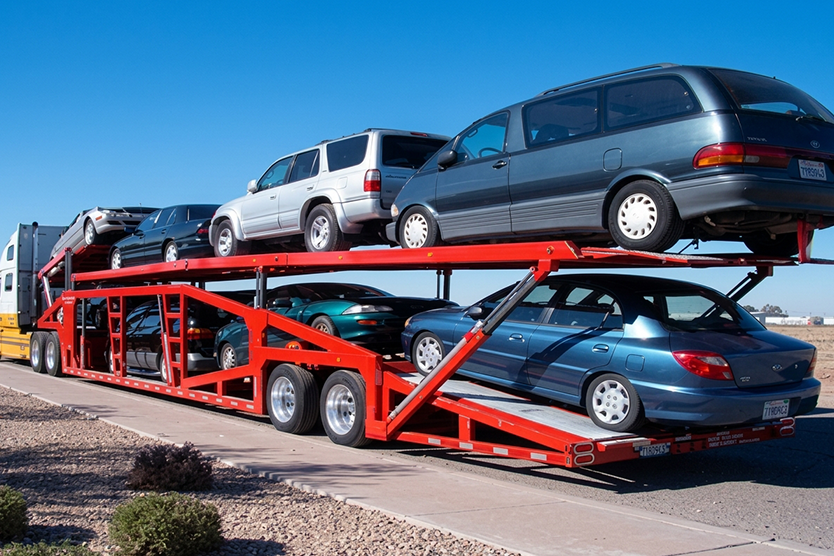
Start by requesting one quote for both vehicles instead of pricing each car as a separate move. Open auto carriers commonly hold about 8 to 10 vehicles, so two cars can often travel on the same truck when the route and timing work. One order may also reduce separate pickup planning, dispatch work, and route changes.
Request One Clear Price Line For Both Vehicles
- Compare the total: A single car shipment averages around $1,150 nationally, so paying two unrelated rates could put a household near $2,300 before route or vehicle adjustments.
- Match the route: Two vehicles leaving from the same ZIP code and reaching the same destination area are generally easier to place together.
- Give full details: List the year, make, model, condition, and modifications for each car. An SUV takes more trailer space than a compact sedan.
- Ask about two-car pricing: Some transport providers offer savings for multi-vehicle bookings, but the amount varies by route and available truck space.
The goal is not simply getting a discount. You want the carrier to plan both cars as one transport job from the start.
Choose Open Transport To Cut Car Shipping Costs
Trailer type can create one of the largest price differences in your shipment. Open carriers are commonly used for standard sedans, SUVs, pickups, EVs, and other daily vehicles. A multi-level open carrier can carry up to 10 vehicles, which lets transportation costs spread across several customers.
See Current Pricing Impact When Shipping Two Cars
- Open transport: In one 600-mile pricing study, open shipping averaged about $1.66 per mile.
- Enclosed transport: The same study placed enclosed shipping around $2.45 per mile.
- Price difference: A separate 2026 comparison found enclosed transport was about 35% more expensive than open shipping across the companies reviewed.
- Two-car effect: A few hundred dollars more per vehicle becomes a much larger amount when you are shipping two.
Enclosed shipping can make sense for collector, rare, restored, or high-value cars. For two everyday vehicles, open transport can keep the total much easier to manage.
Give Your Carrier Flexible Pickup Date Options
A tight pickup deadline can limit the number of trucks available for your cars. Carriers build routes around trailer space, vehicle size, pickup stops, fuel use, driver hours, and delivery schedules. Giving several acceptable pickup days creates more chances to place both cars on a truck already traveling in your direction.
How Shipping Timing Changes Car Transport Rates
- Summer moves: June through August can bring heavier moving activity, which may reduce available trailer space.
- Snowbird periods: Routes between northern states and Florida or other warmer states can become busy during seasonal moves.
- Rush requests: Guaranteed or urgent pickup usually costs more because fewer carriers can meet the requested window.
- Long routes: Current estimates show that longer journeys often have a lower rate per mile. Open transport over 2,000 miles may fall around $0.45 to $0.60 per mile, compared with about $2.50 to $2.75 per mile for trips under 200 miles.
Book before your moving deadline when possible. A three-to-five-day pickup range can give dispatchers far more room than demanding one exact date.
Keep Vehicle Weight And Size Low To Save
Weight affects how carriers arrange vehicles on a trailer and how much space each car can use. Instead of focusing heavily on technical weight limits, it is more useful to look at what changes the shipment itself. A compact car may weigh around 2,500 to 3,000 pounds, while a large SUV can exceed 5,000 pounds. That difference affects trailer balance, loading order, and available space for other vehicles.
- Vehicle size matters: Larger SUVs and trucks take up more deck space than sedans.
- Personal items add weight: Boxes, tools, and luggage can make loading harder.
- Fuel adds weight: Keeping the tank near one-quarter full is usually enough for loading and unloading.
- Modifications matter: Lift kits, roof racks, and large tires can change height and loading needs.
Remove unnecessary belongings and follow the transport provider’s fuel instructions. Correct weight information helps prevent last-minute loading problems or price changes.
Use One Pickup And Delivery Point To Save
Door-to-door transport sounds simple, but your exact street can affect the carrier’s work. Large auto transporters need enough road width, turning space, and overhead clearance to load safely. Narrow neighborhoods, low branches, tight corners, parking restrictions, and gated roads may force a driver to arrange another meeting point.
When shipping two vehicles, one accessible pickup location can save time for everyone.
Practical Details To Check Before Booking
- Keep cars together: Moving both vehicles to one pickup spot removes a second stop from the driver’s route.
- Choose truck-friendly space: Large shopping centers or wide public meeting areas can work when residential access is limited, provided stopping and loading are legally allowed.
- Avoid long detours: Rural pickups can cost more because the truck may travel far away from a major shipping lane.
- Plan the delivery too: If both vehicles are going to the same household, arrange one suitable unloading point.
Location affects current quotes. Industry pricing guides list rural pickup and delivery areas among the factors that can raise shipping costs. A simple meeting location near a major route may make both vehicles easier to schedule.
Compare Full Car Shipping Price Before Booking
A low starting quote can look attractive when you are paying for two cars, but you need to know what the number covers. In a recent Forbes Home survey, about 30% of respondents chose to drive their vehicles instead of shipping them because of cost. That makes accurate pricing especially important for families moving two vehicles.
Compare Car Shipping Quotes Beyond Price Alone
- Distance rate: Open transport commonly becomes cheaper per mile as total distance rises.
- Vehicle condition: A car that does not run may need a winch or other loading equipment.
- Transport type: Enclosed shipping may cost around 35% more based on one recent industry comparison.
- Insurance: Ask what carrier cargo insurance applies during transportation.
- Extra charges: Check possible fees for oversized vehicles, remote locations, rushed pickup, or vehicle changes.
- Licensing: Interstate motor carriers operate under federal requirements, so ask for the company’s USDOT and operating information when applicable.
Put the two quotes side by side and check every line before booking. A clear $2,000 quote can be more useful than a lower estimate that changes after vehicle details are confirmed.
Key Takeaways For Shipping Two Cars At Once
Shipping two vehicles becomes much easier when you plan the details before pickup. Keep both cars ready at one location, remove extra items, choose suitable transport, and stay flexible with timing when possible. Clear vehicle information also helps the carrier plan loading and delivery without unnecessary changes. TRUSSELL LOGISTICS LLC can help arrange the move based on your cars, route, schedule, and pickup needs. Ready to get both vehicles moving? Contact our movers today to discuss your shipment and request a clear quote for your upcoming transport.